
Rue Marianne
Gita’s Place, 2017
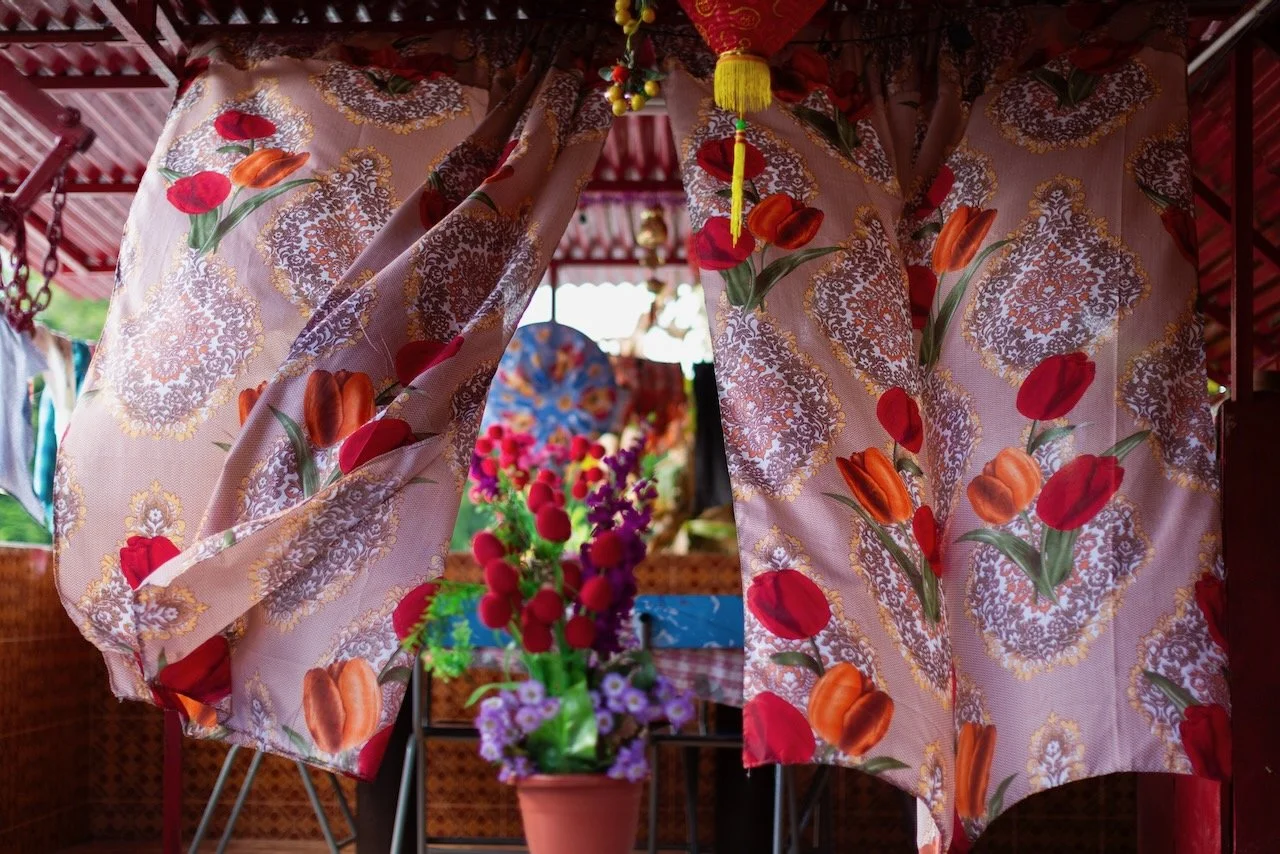
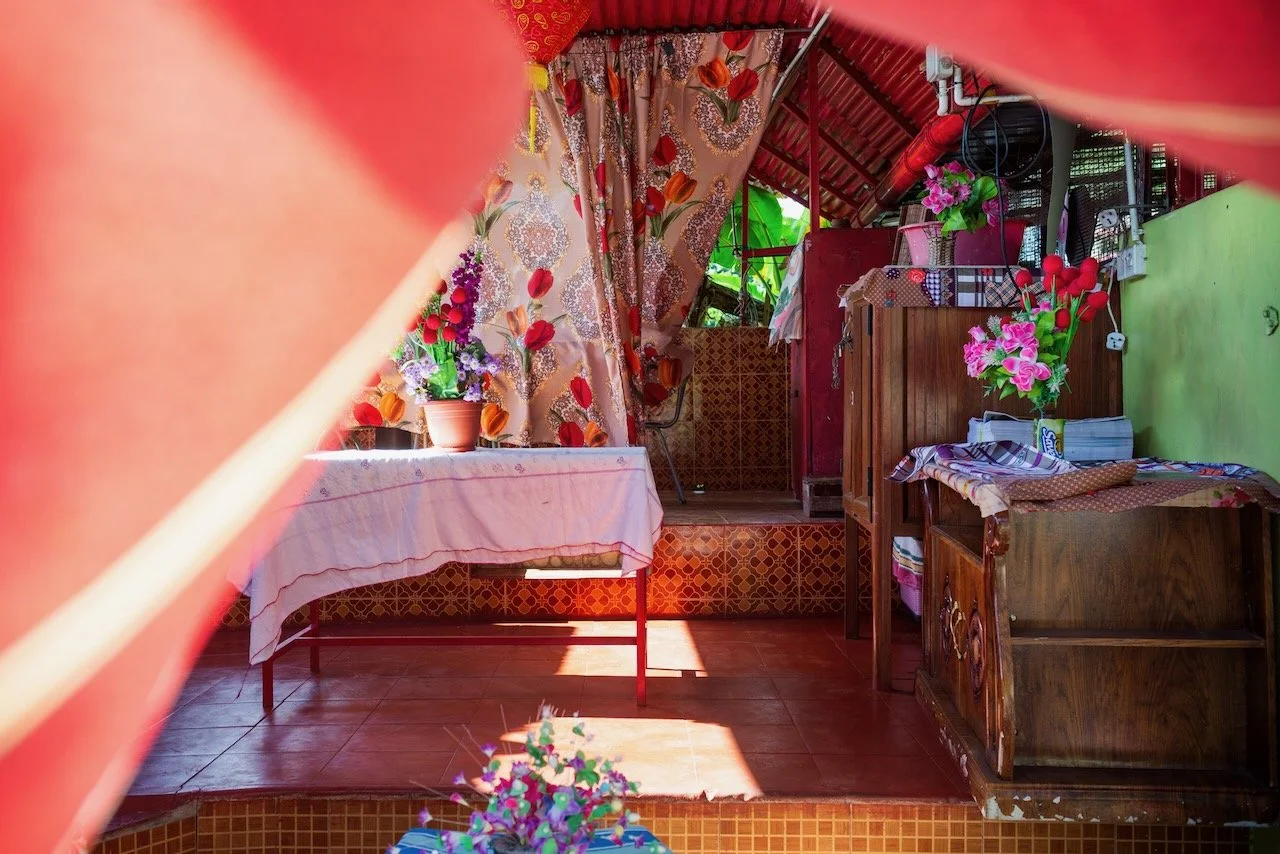
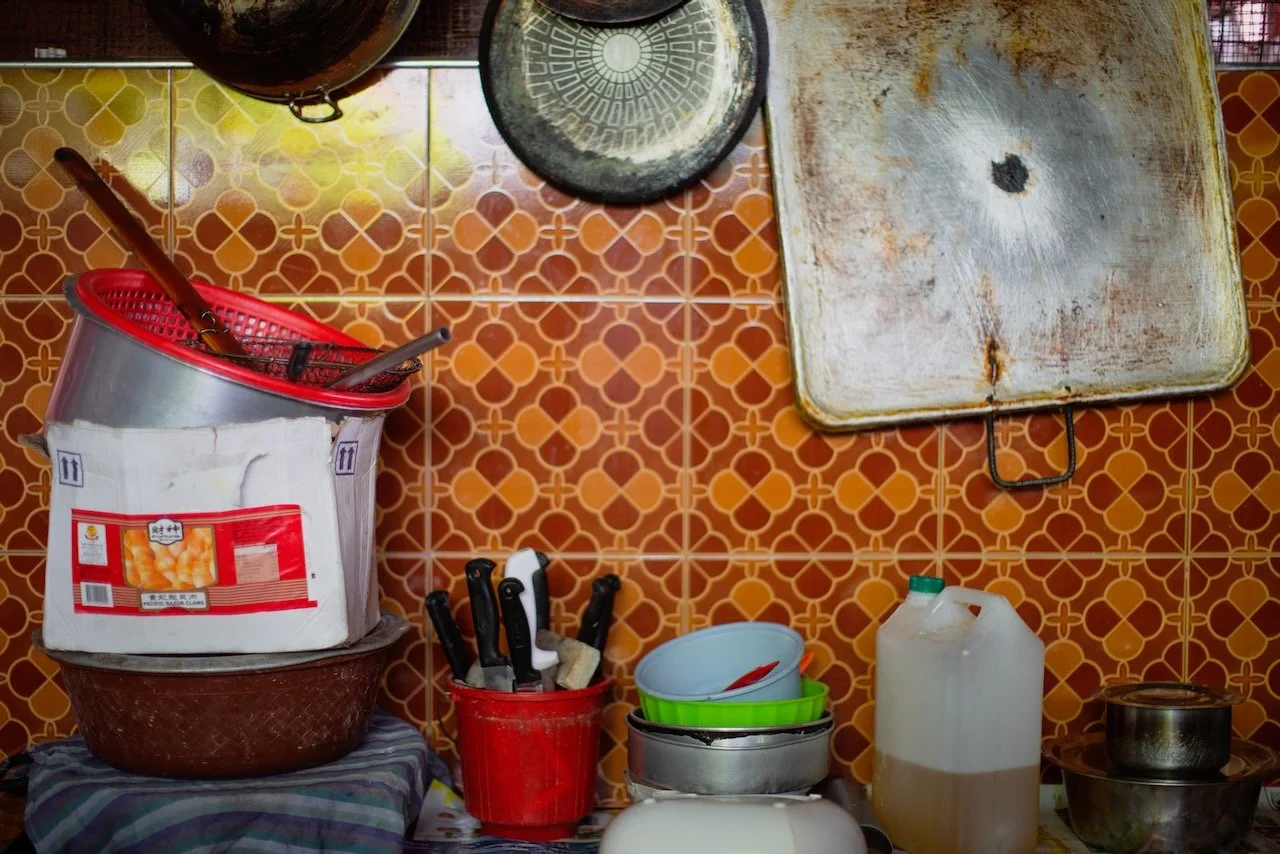
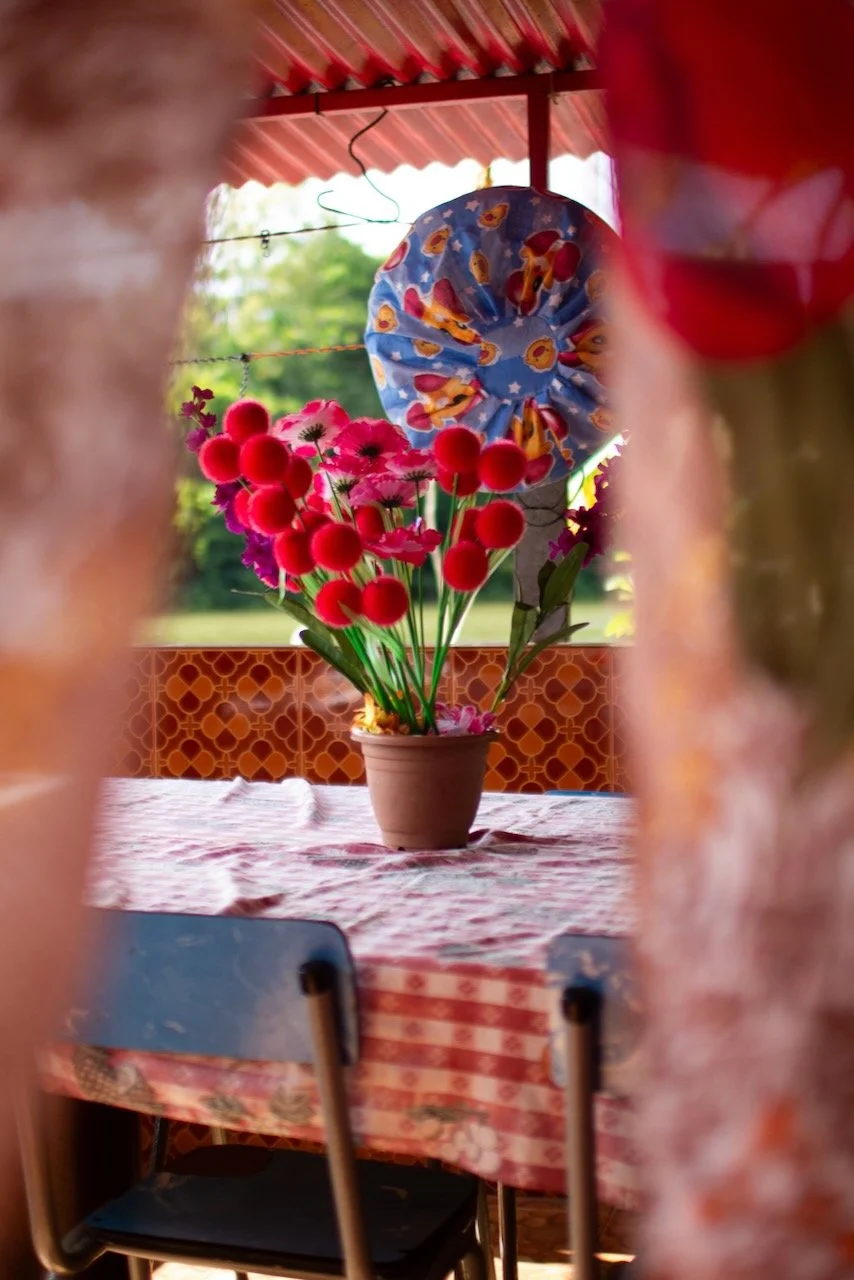
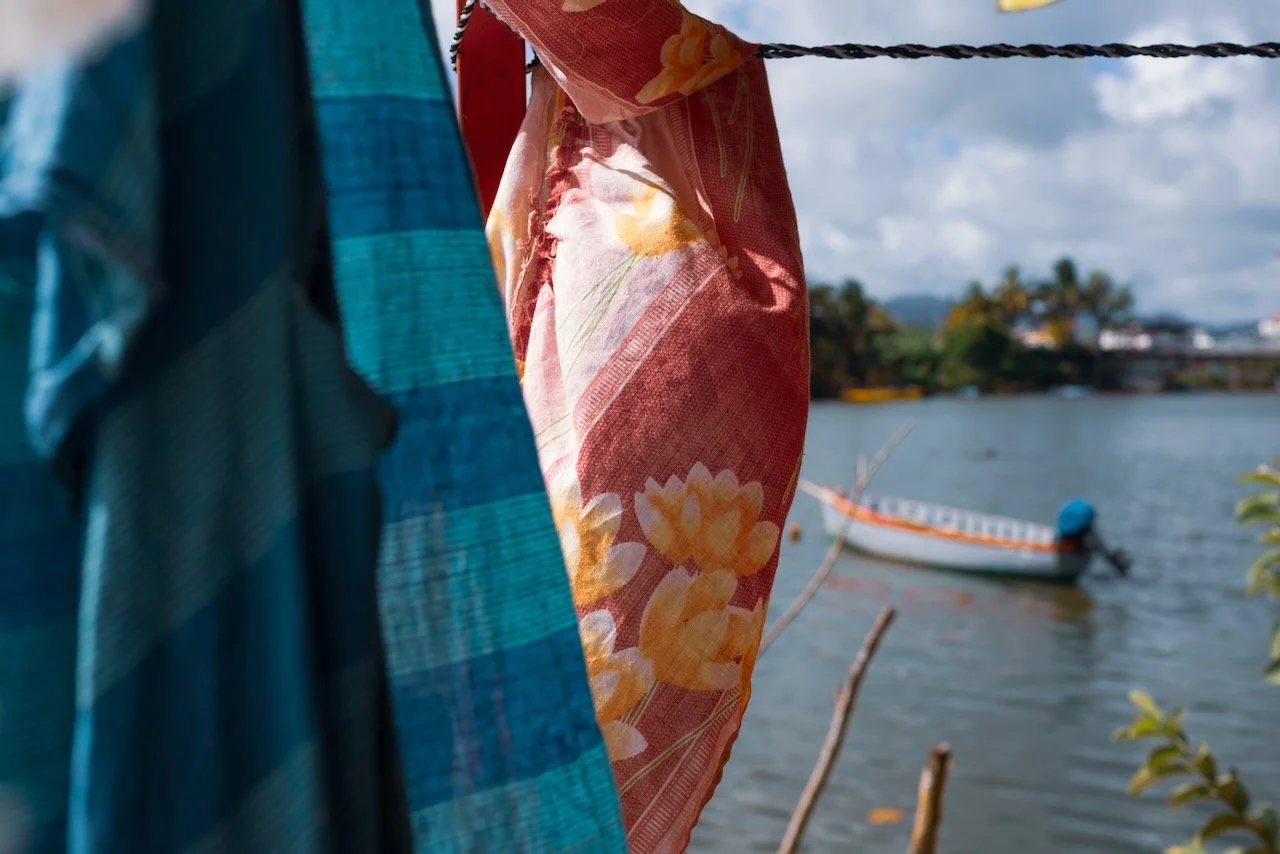
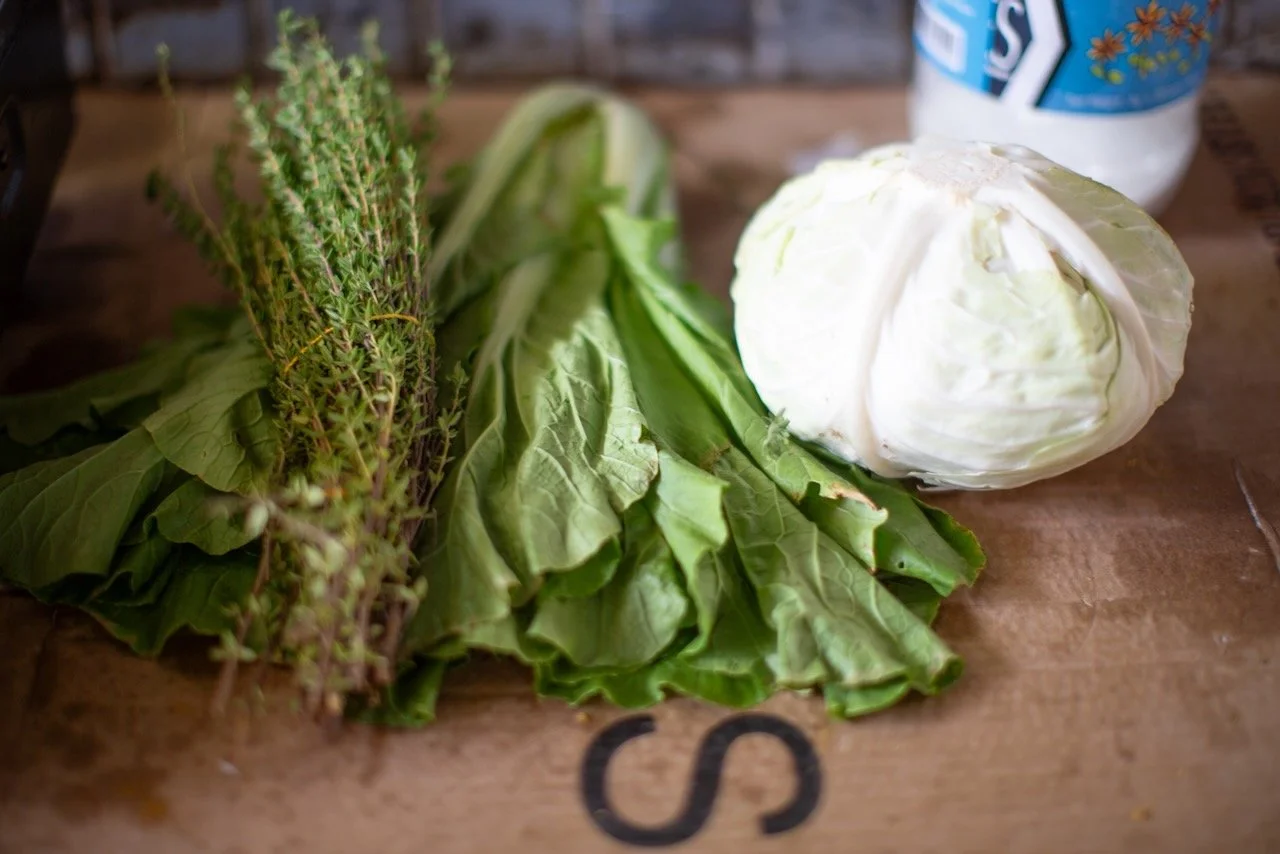
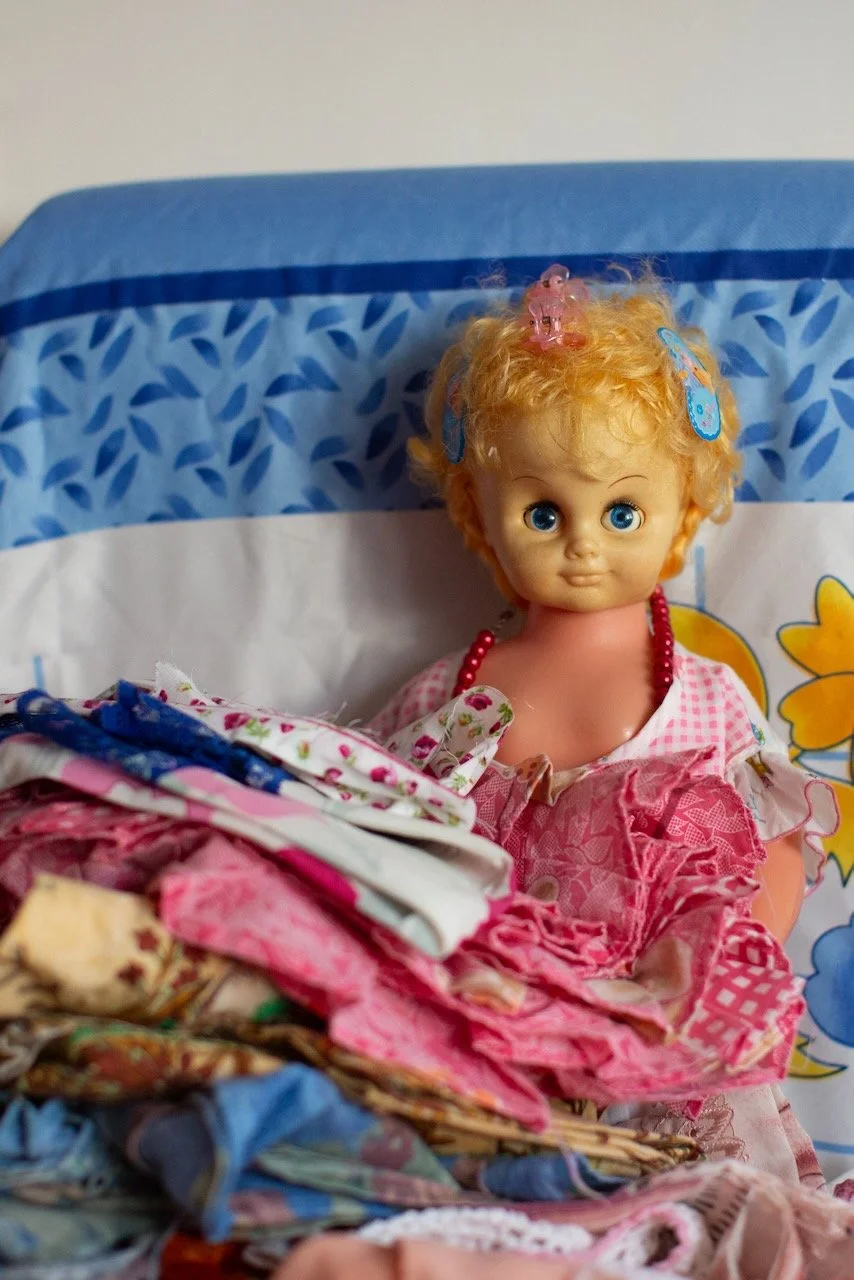
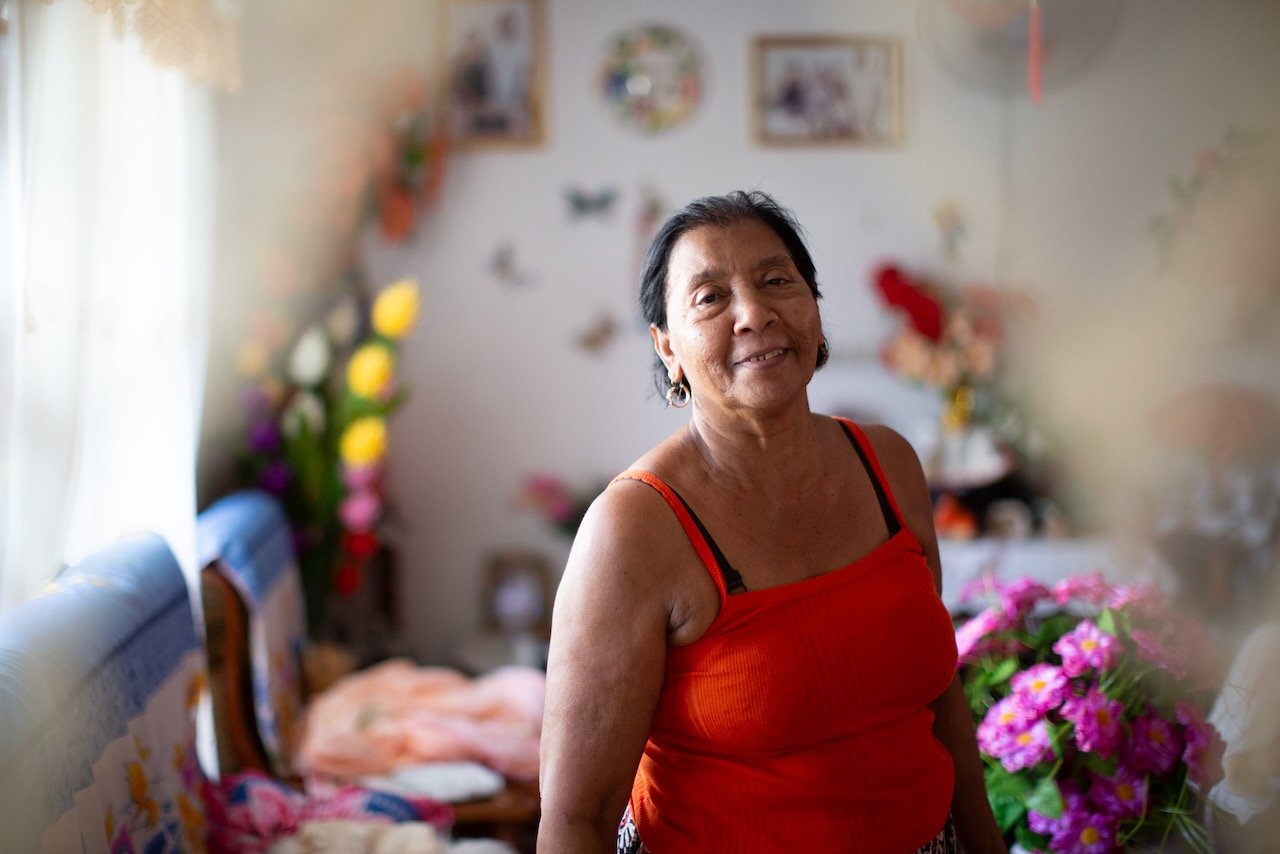
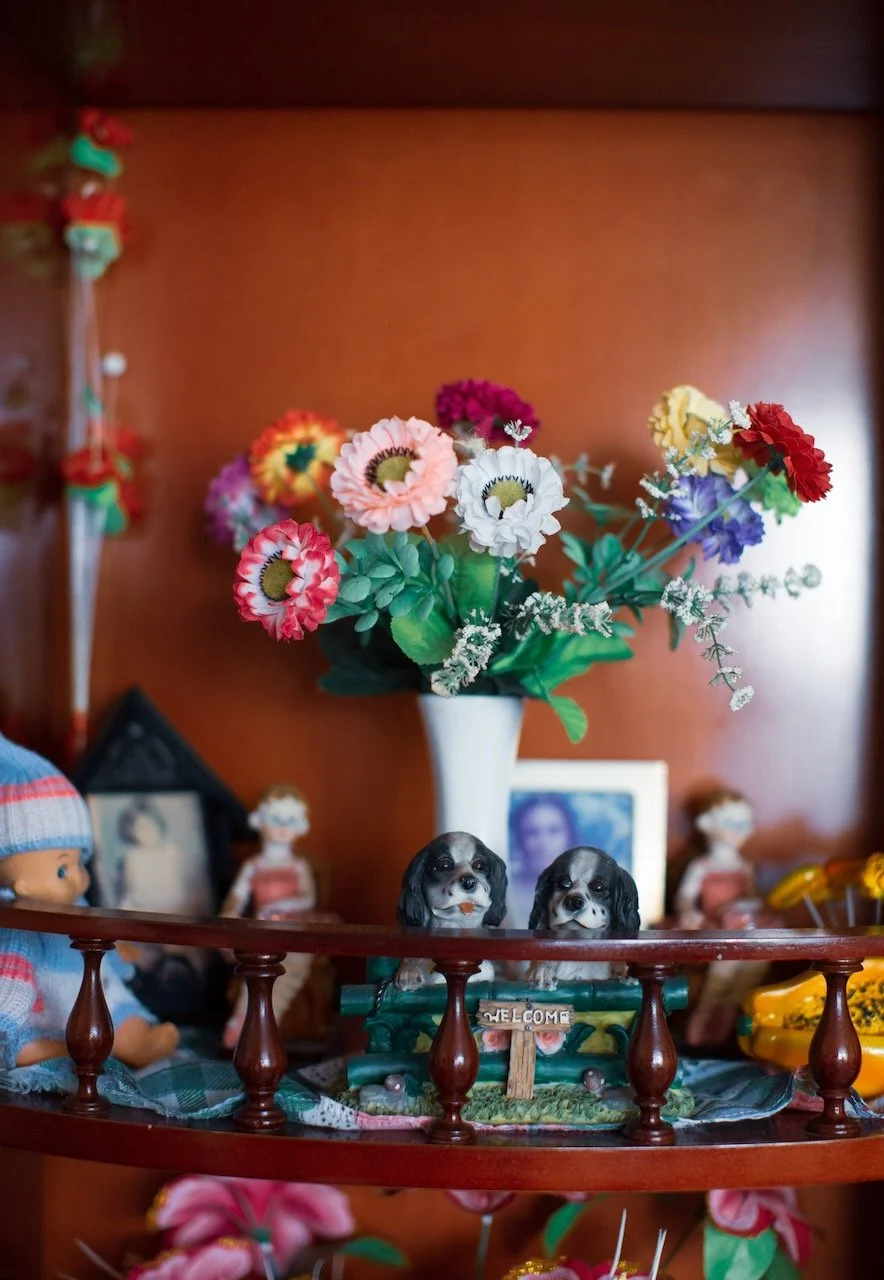
Behind a red curtain sailing in the wind, I caught a glimpse of an inviting dining area alongside the river. The energy of the place drew me in, compelling me to investigate. I wondered if it might be a home-operated snack café, so I wandered in.
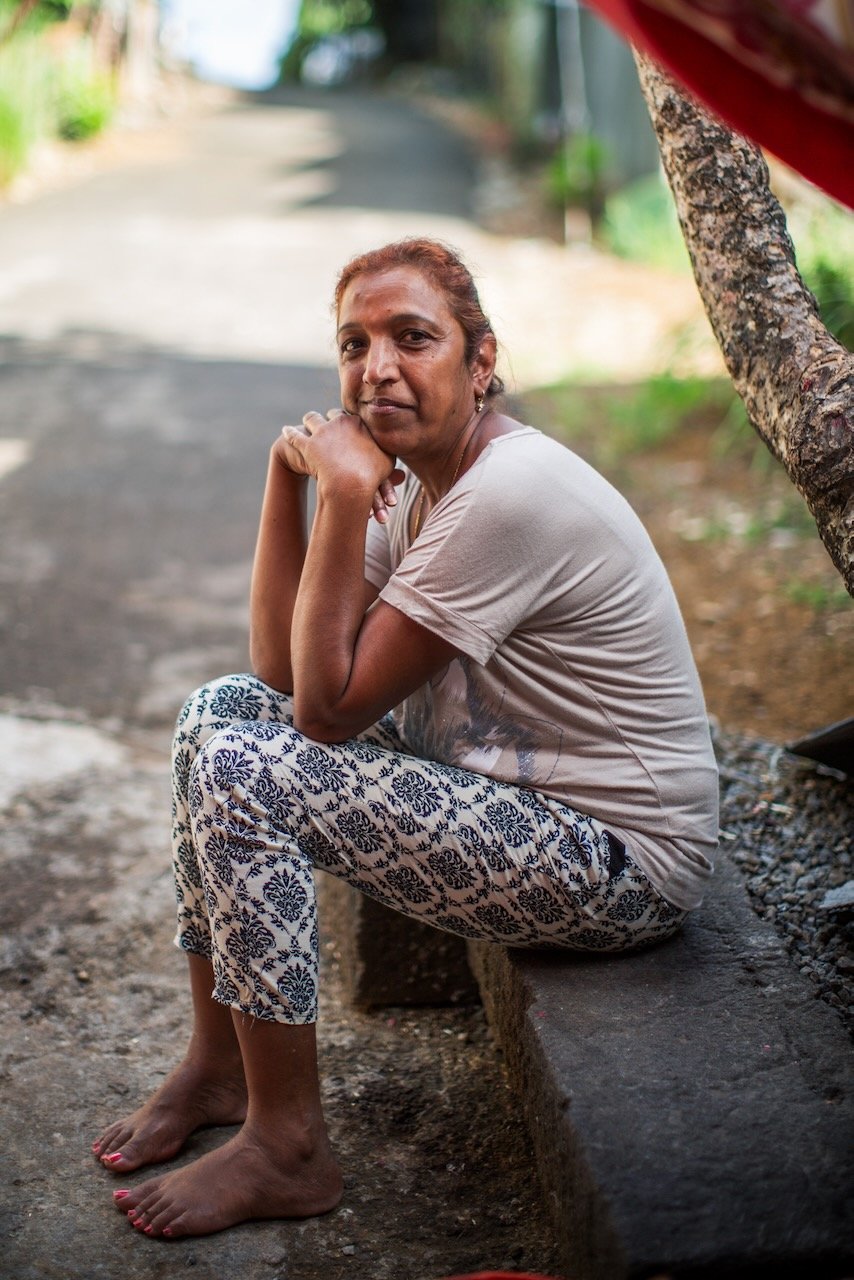
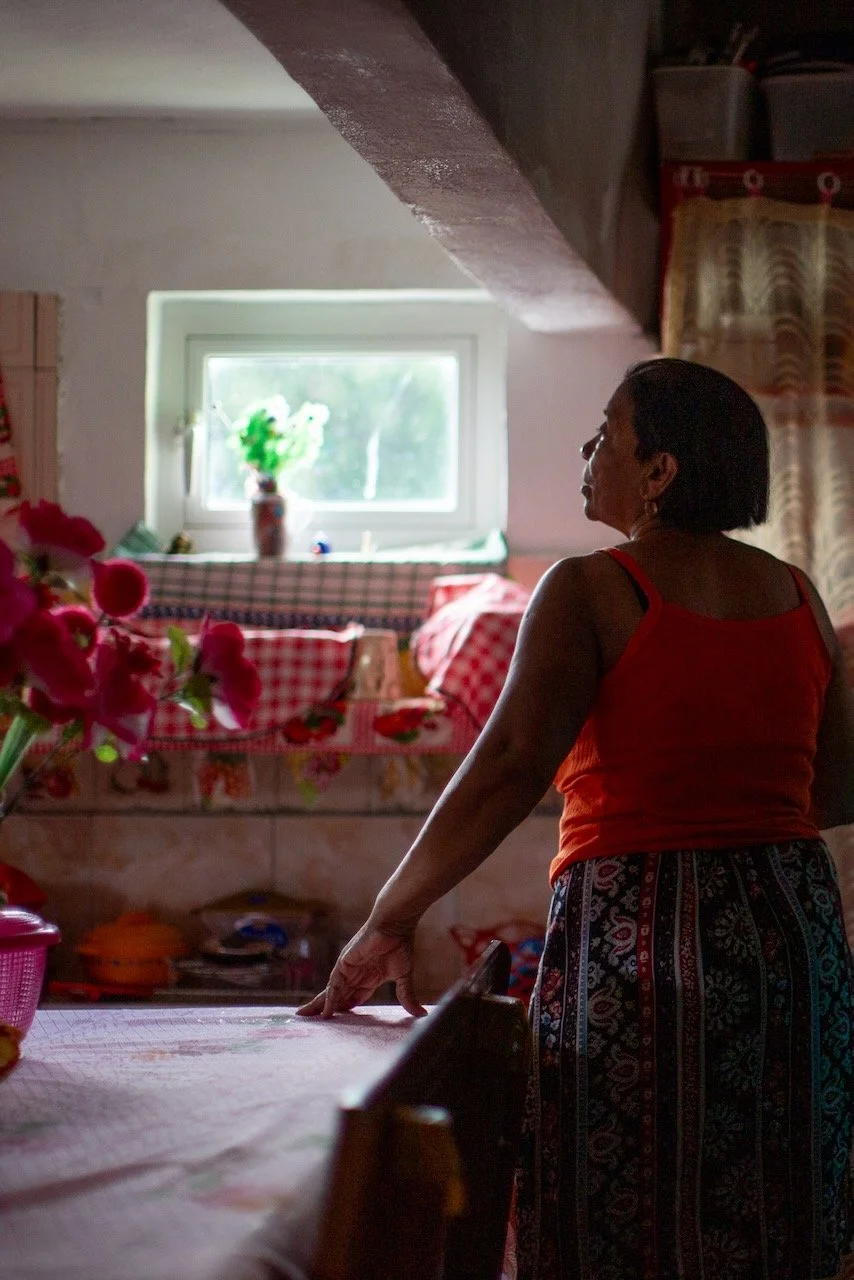
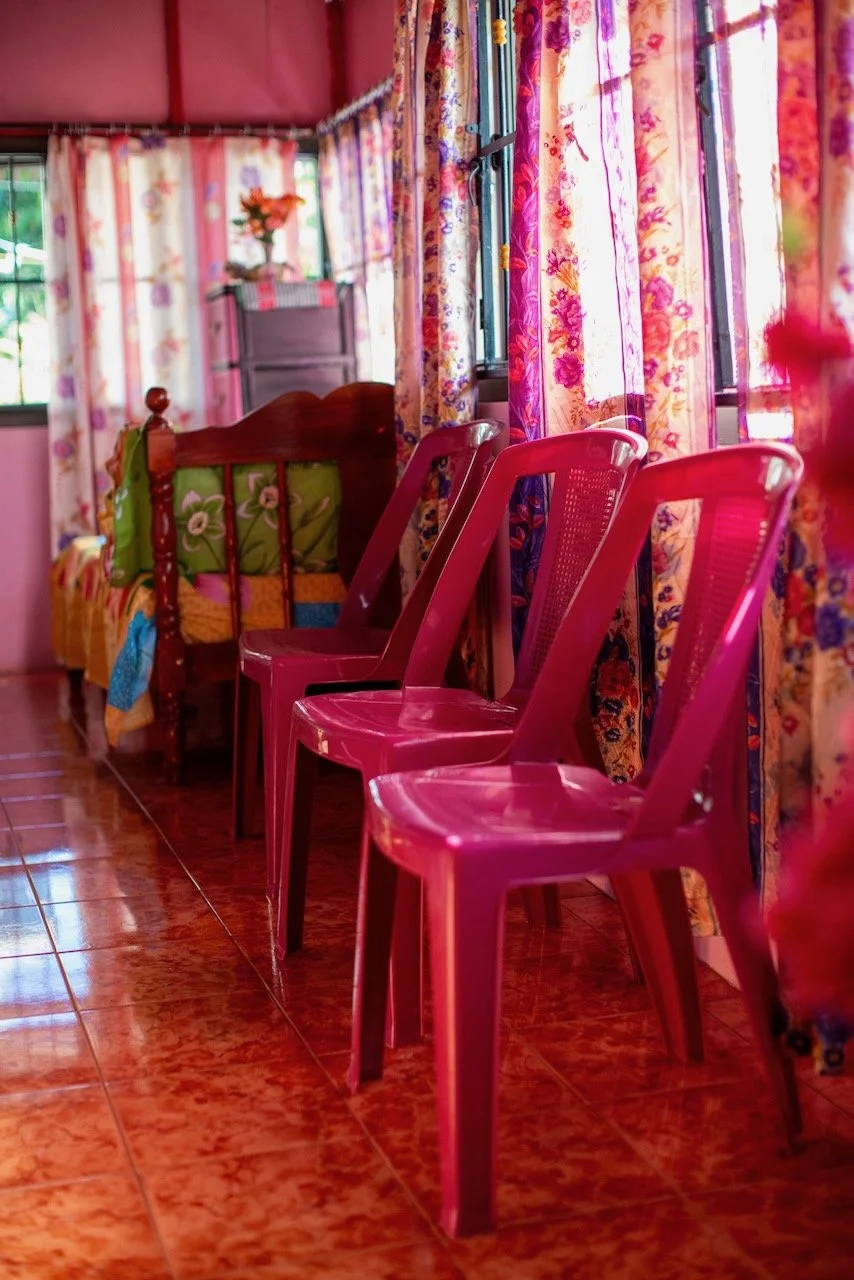
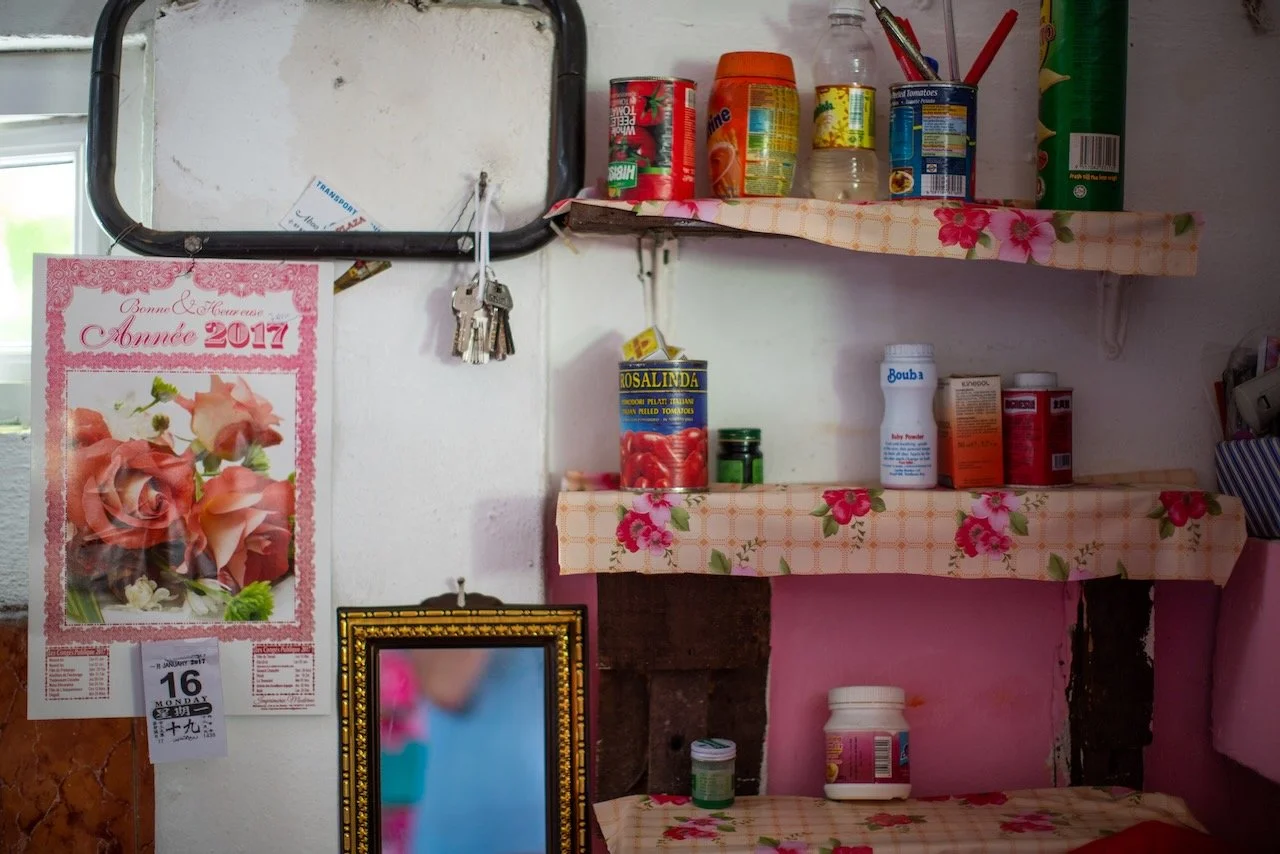
It turned out to be the private dining area of the family who lived there. Gita, the head of the family, cooked for pre-arranged local events, and she warmly welcomed me to explore her colourful home—a labyrinth of vibrant rooms, immaculately kept and deeply cared for. The fresh breeze from the river moved freely through the space, wafting the curtains and carrying with it a sense of ease and presence.
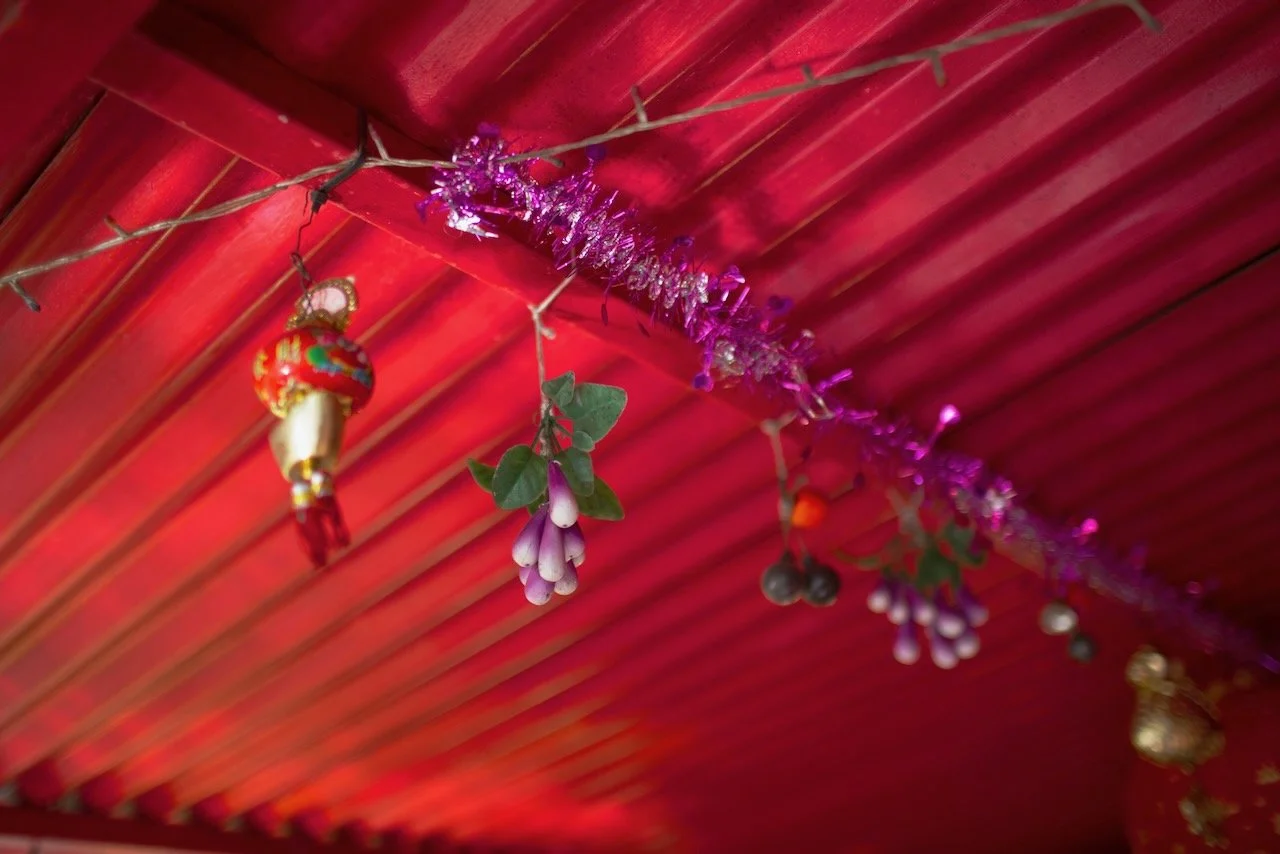
Quickly, I noticed the loving, handmade interior details. I was captivated by the Chinese lanterns, the flower arrangements, and the intense shades of red that seemed to pulse with life. I stepped back outside to wait for someone to appear. It felt like a blissful, familial space—nestled right alongside the river. A colourful wooden boat was just visible, moored on the opposite side.
Inside, I was drawn to a large statue and shrine of Shiva, and in another part of the house, an equally impressive shrine to the Virgin Mary. This quiet duality moved me.
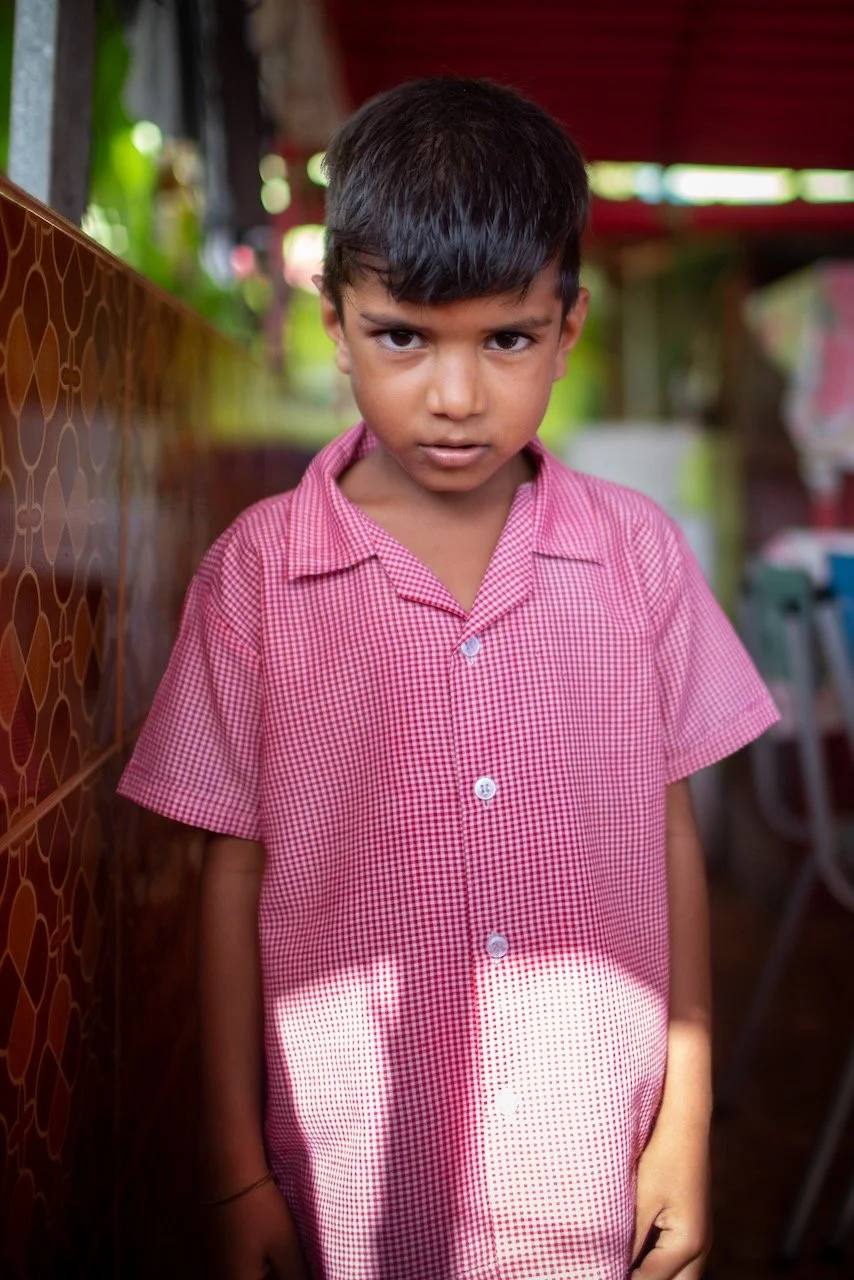
I also met Gita’s grandson and her daughter-in-law. Her brother—a crab fisherman—lives on the other side of the large house. He shared, with gentle sorrow, how much he misses his son who now lives in Australia and rarely visits.
Gita explained how she lovingly tends to each bed and bedroom in anticipation of visits from her children and grandchildren. The house felt full—crammed with beds, filled with memories and hope. There was also a waterside, semi-outdoor kitchen—river water meeting the tiled edge of the floor—that led out to the jetty. The ceiling was adorned with wildfowl taxidermy, children’s soft toys, fishing nets, and large, colourful floats. Water turtles lived in containers tucked under the kitchen counters.
There was a strong, undeniable sense of connection between the family and the river. The river is not only their livelihood, but their spirit—an extension of home, of memory, of legacy.